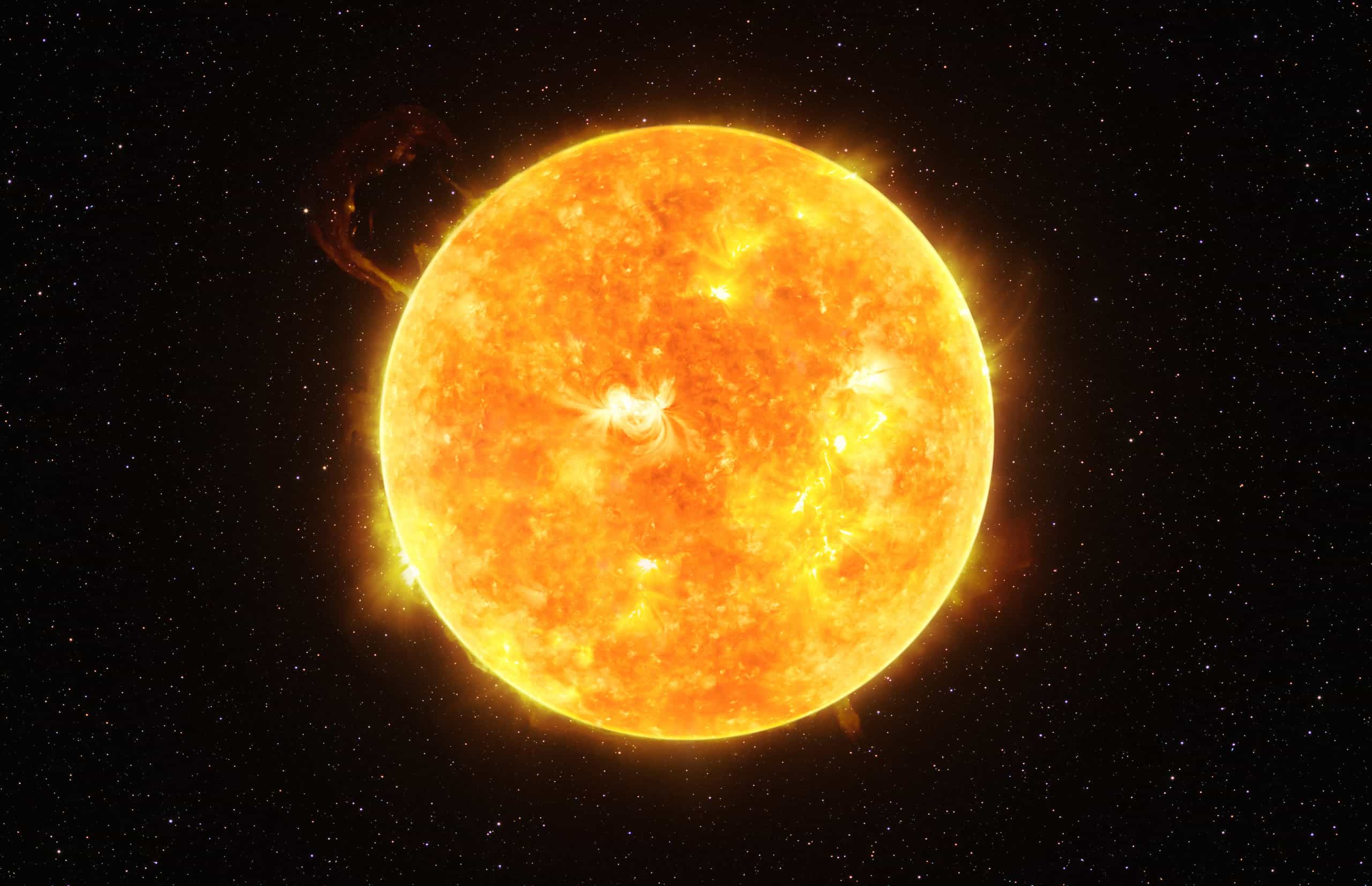
Sun
The Sun is the closest star to us. The Sun is 149,600,000 km away from us.
The surface temperature of the Sun is 5500 °C, and the core temperature is 15.6 million °C.
More
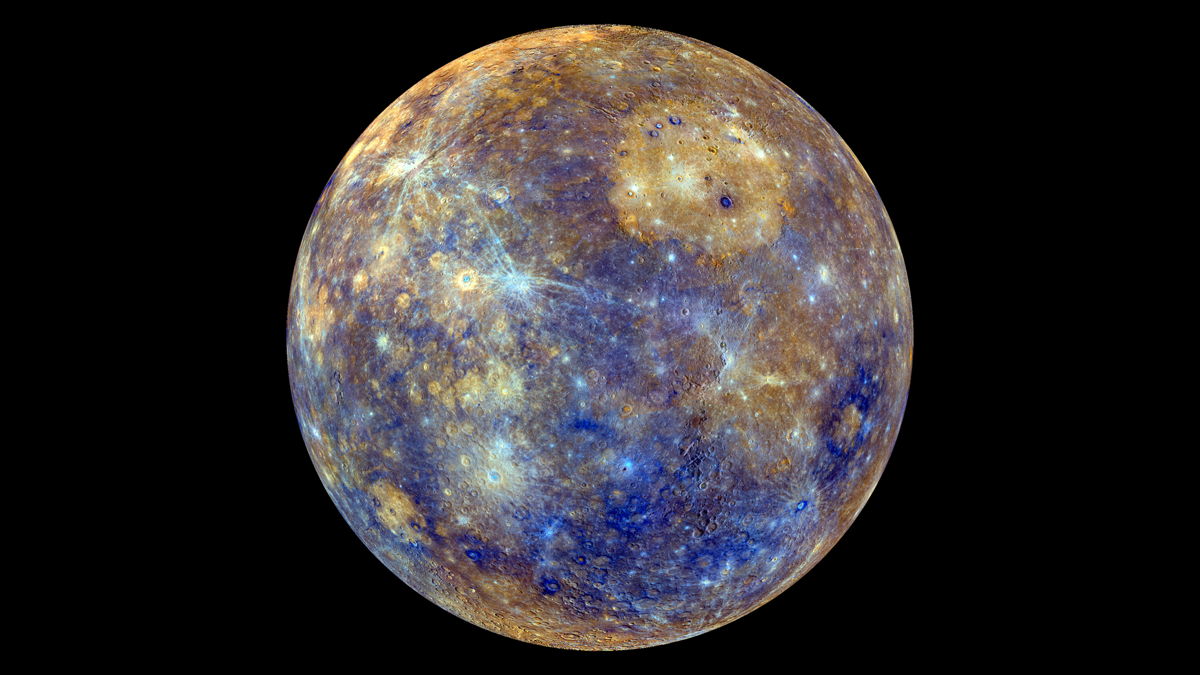
Mercury
1 day on Mercury is equal to 116 days on Earth.
Temperatures near Mercury's equator reach 427 °C during the day, but can drop to -173 °C at
night.
More
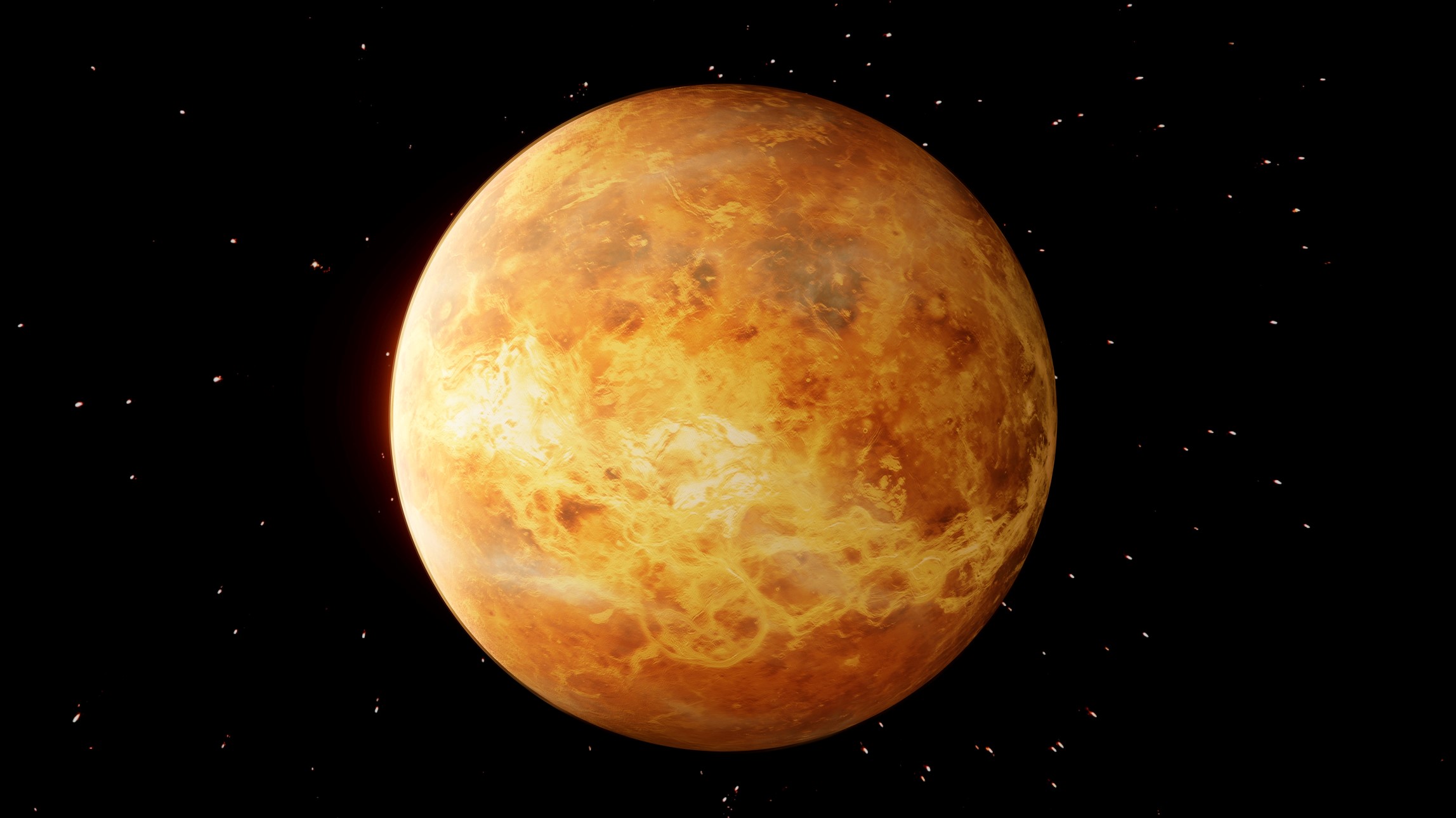
Venus
It completes its movement around the Sun in 224.7 Earth days.
Venus is the hottest planet in the solar system. It is even hotter than Mercury, which is
closer to the Sun, with a surface temperature of 462 °C.
More
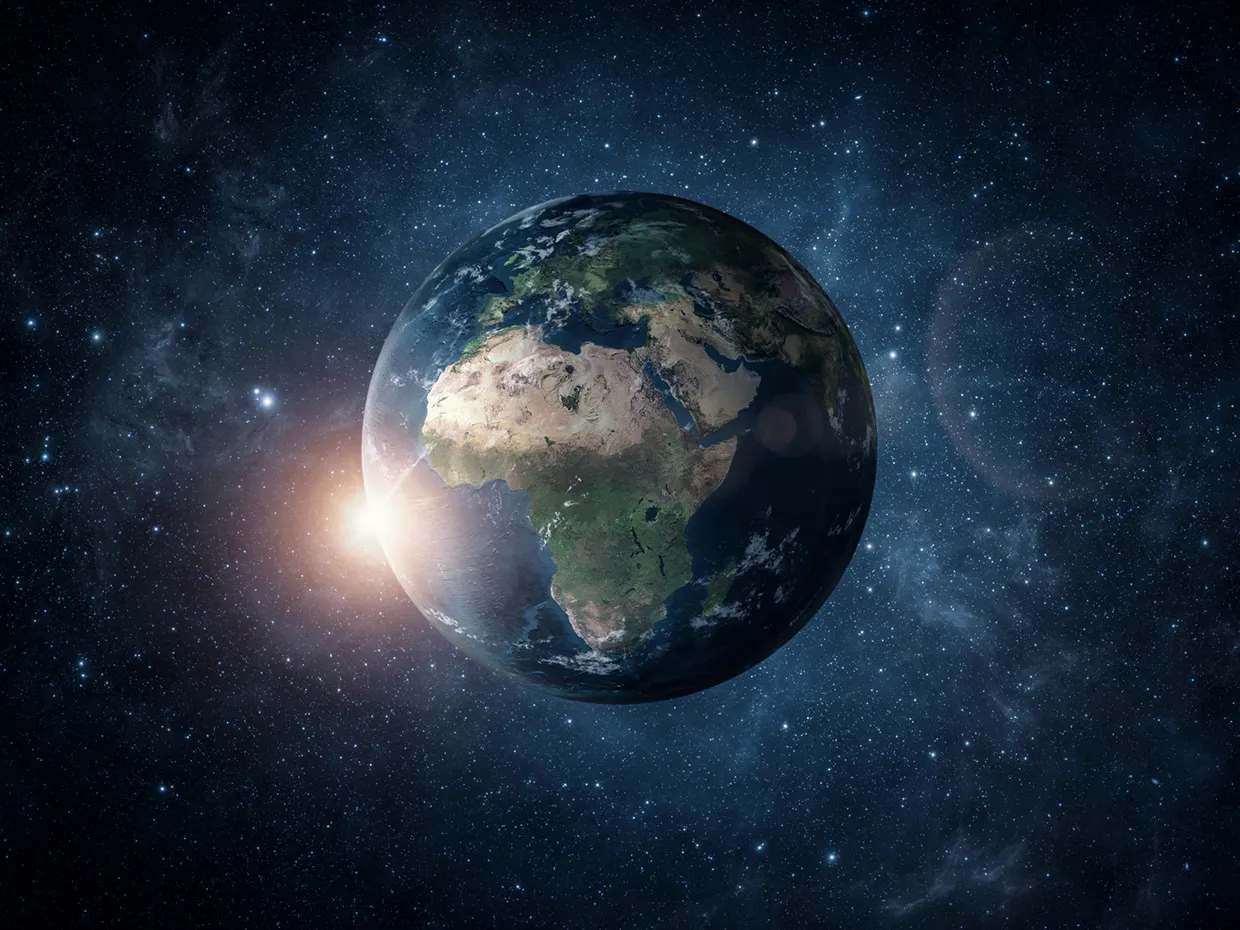
Earth
According to radiometric dating and other evidence, it was formed more than 4.55 billion
years ago.
Earth's orbit around the Sun takes 365,256 solar days, or one sidereal year.
More
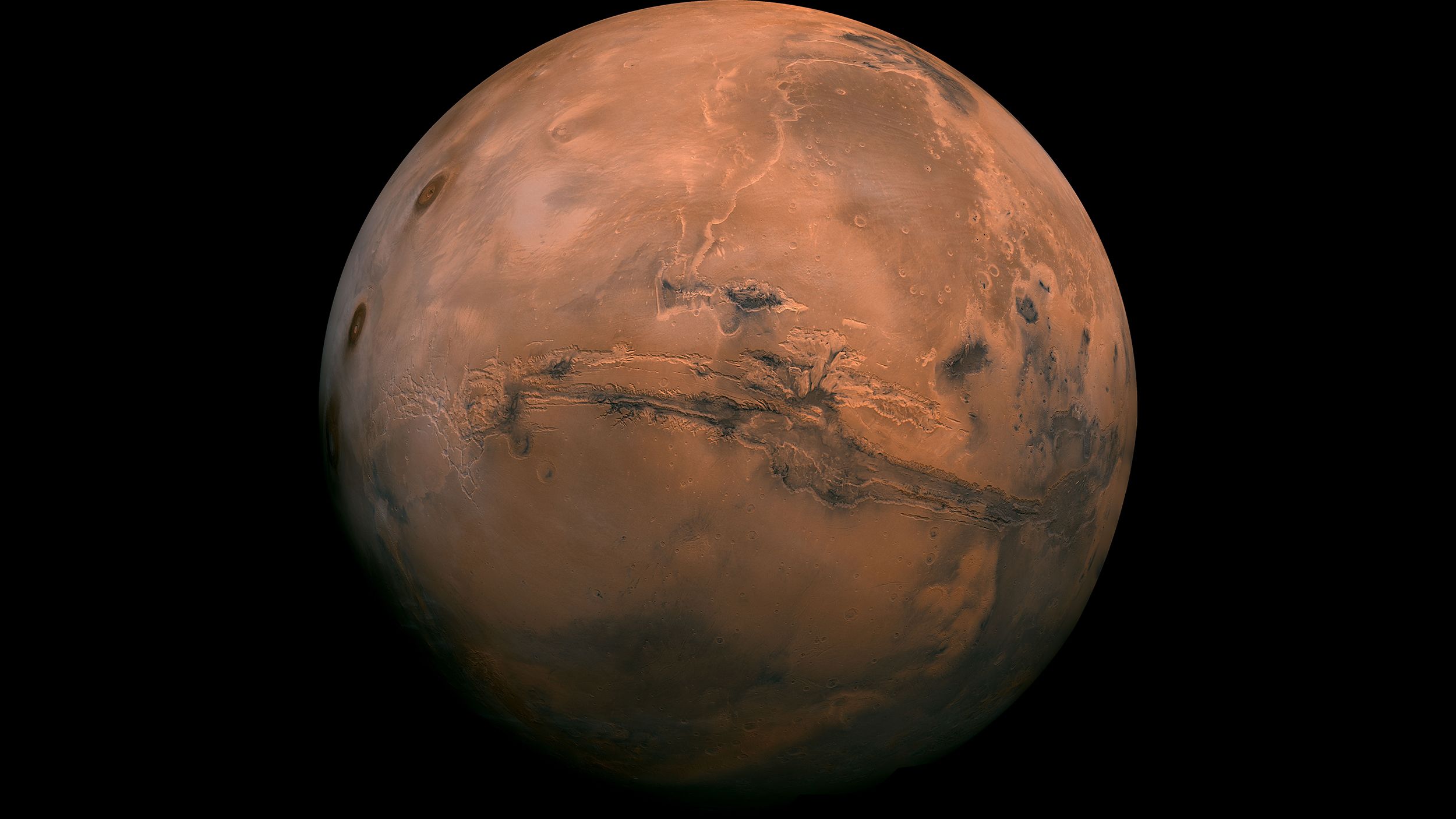
Mars
Mars is the closest planet to Earth, being about twice its size.
It takes two years to go around the sun once.
More
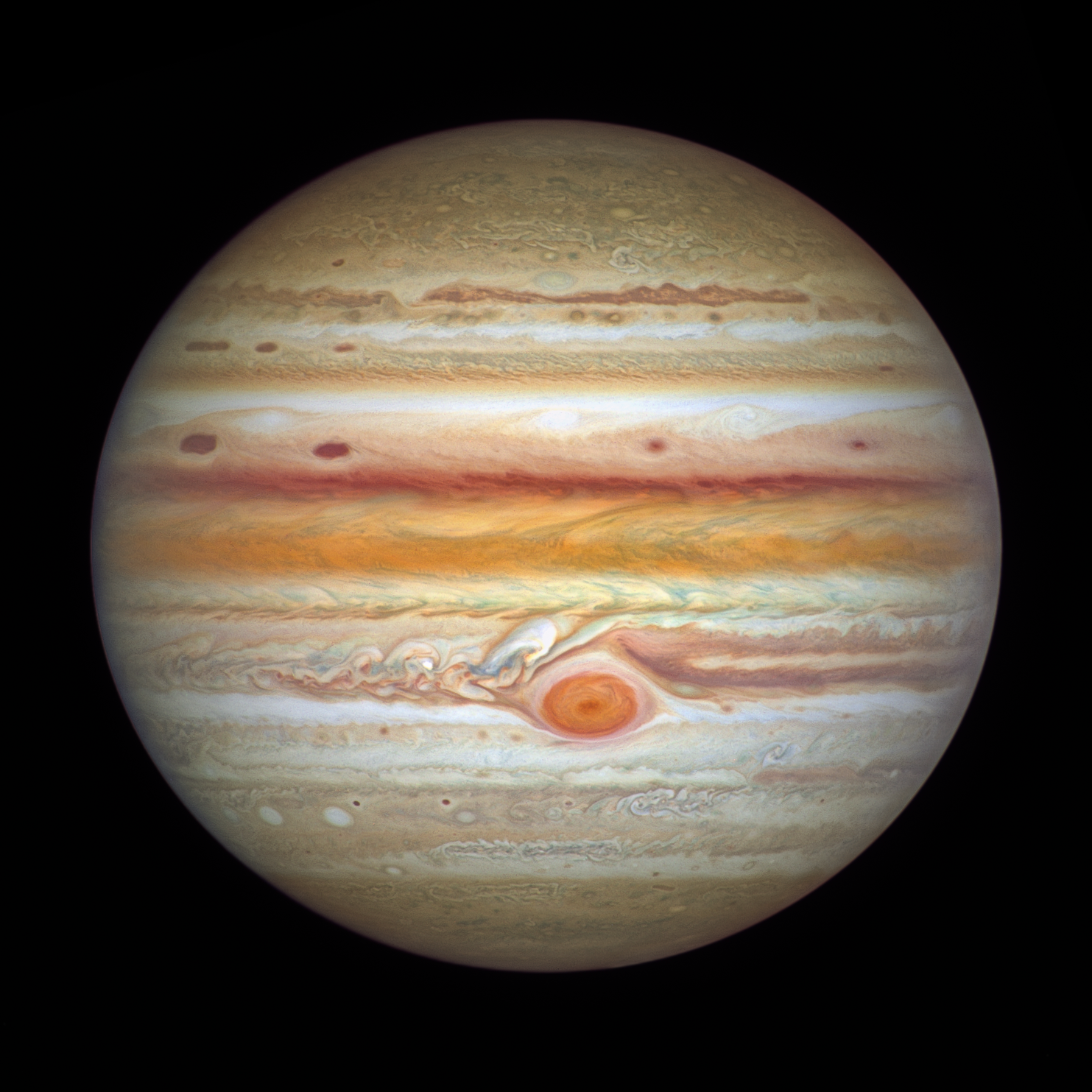
Jupiter
Jupiter has a weak ring and a strong magnetosphere surrounding it.
Jupiter has 79 known moons, four of which are called Galilean moons and were discovered by
Galileo Galilei in 1610.
More
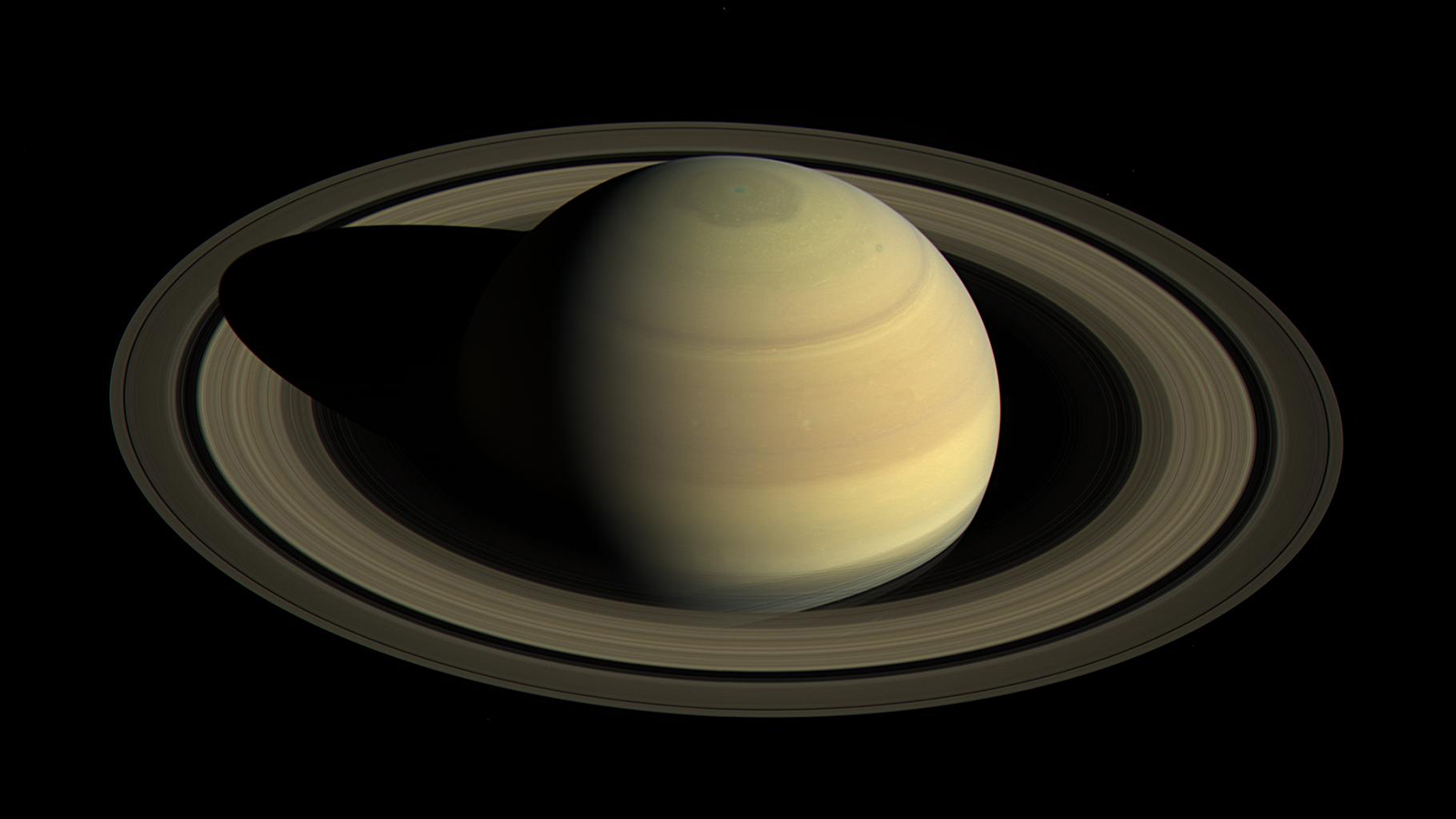
Saturn
In January 2019,
researchers determined that one Saturn day is 10 hours 33 minutes 38 seconds (± 1 minute 19
seconds) based on studies of Saturn's C ring.
More
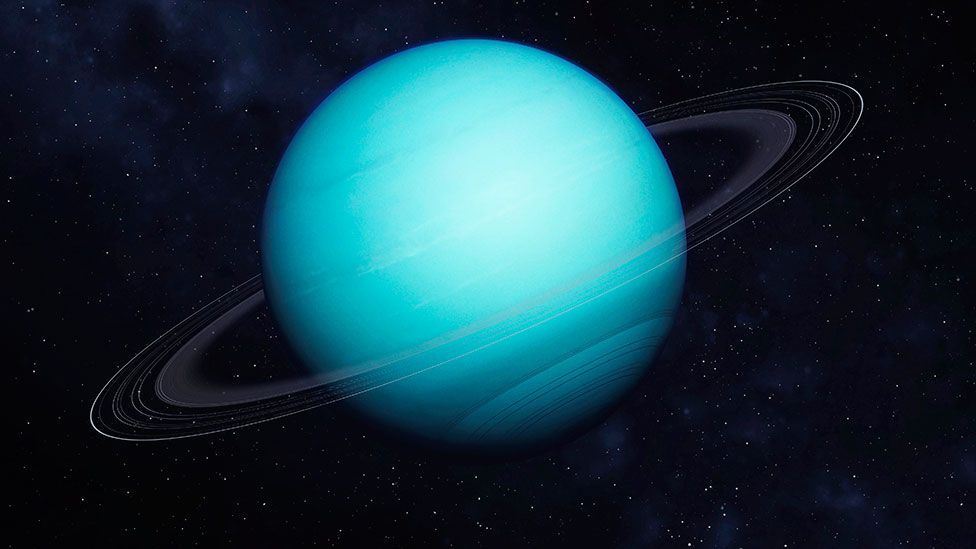
Uranus
Uranus has the coldest atmosphere in the Solar System, with a minimum temperature of 49 K
(−224 °C; −371 °F).
More
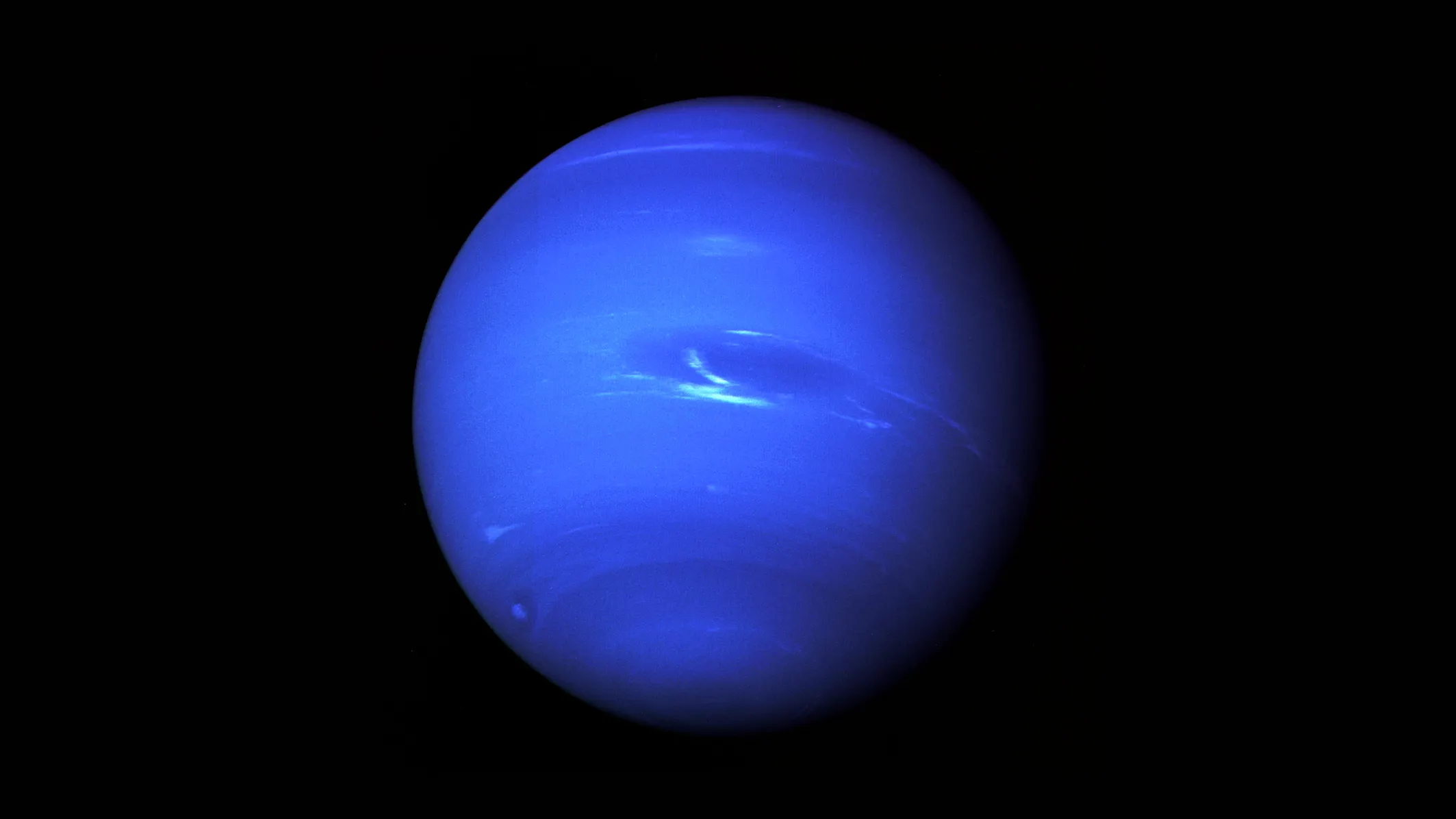
Neptun
Part of the group of giant planets, Neptune occupies the fourth place in the solar system in
terms of diameter and the third place in terms of mass.
More